Across the Forestry Sector, pesticide use is governed by a complex combination of South African legislation, product registration requirements, and, for over 85% of the Sector, certification standards including Forest Stewardship Council® (FSC®) and the Programme for the Endorsement of Forest Certification (PEFC), endorsed by Southern African Forestry Assurance Scheme (SAFAS). Understanding these ever-changing requirements and translating them into practical operational practice can be challenging.
The Timber Industry Pesticide Working Group (TIPWG) exists to support the Forestry Sector in navigating this complexity and strengthening responsible pesticide stewardship across the Industry.
Supporting Legal Compliance
TIPWG’s primary role is to help the Forestry Industry understand and comply with legal requirements related to pesticide use. TIPWG maintains membership and engagement with organisations such as CropLife South Africa and SABO and works closely with regulatory and technical experts to ensure that the Forestry Sector receives accurate, up-to-date guidance on pesticide legislation and stewardship.
All TIPWG resources are developed with reference to:
- South African legislation governing agricultural remedies, e.g.:
- Fertilizers, Farm Feeds, Agricultural Remedies and Stock Remedies Act (Act 36 of 1947)
- Occupational Health and Safety Act
- National Environmental Management Act
- Hazardous Chemical Agents Regulations
- Transport regulations relating to dangerous goods
- The product registration and label requirements
- Certification standards
In this context, stewardship is framed as ensuring pesticides are used responsibly and in accordance with legal and certification requirements. TIPWG does not advocate for or against pesticide use but rather focuses on helping the industry apply these tools correctly, safely and transparently.
Translating complex requirements into practical guidance
Legislation and certification standards are often highly technical and difficult to interpret at the operational level; in addition, many are spread across multiple documents and multiple governmental departments. TIPWG resources help bridge the gap between what the law requires and what needs to happen on the ground.
By translating complex requirements into clear guidance, templates and operational tools, TIPWG helps reduce the risk of unintentional non-compliance caused by misunderstanding rather than negligence.
Supporting different operational contexts
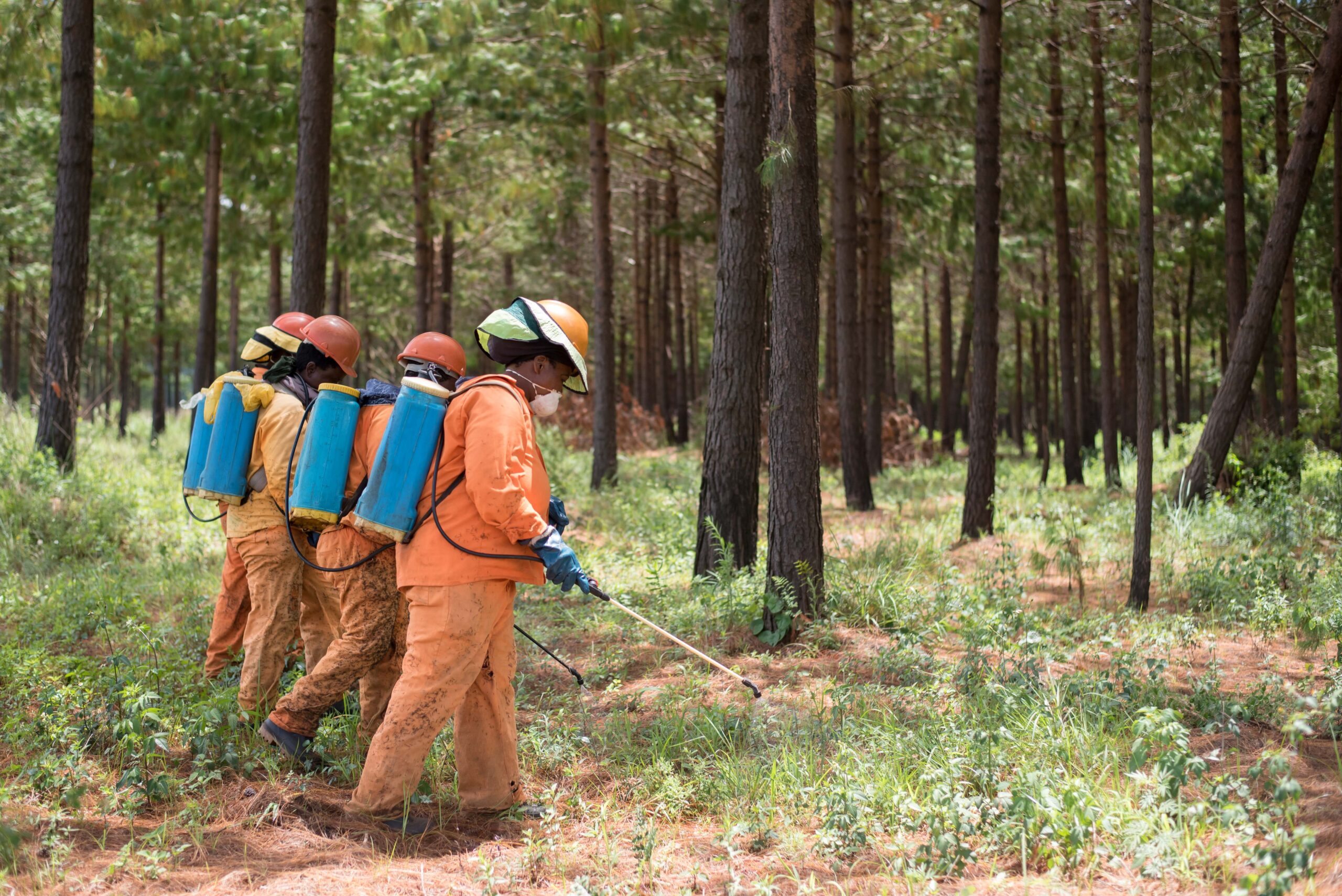

The Forestry Sector includes operations of very different scales. Large corporates and medium or smaller growers often operate with different internal systems, levels of technical support and available resources. TIPWG resources are therefore designed to be scalable, adaptable and usable across different forestry operations. This ensures that while the legal requirements remain the same, the pathway to implementing them can vary depending on the operational context.
SOPs: Turning requirements into action
TIPWG Standard Operating Procedures (SOPs) play an important role in converting regulatory requirements into practical actions. Irrespective of the focus, all TIPWG SOPs are aligned with both legislation and certification requirements and provide step-by-step guidance for key operational activities. Their objective is to facilitate consistent operational practices across forestry operations, in doing so supporting the safe handling, storage, mixing and application of pesticides as well as providing training for field staff and contractors alike.
For some organisations, TIPWG SOPs supplement existing internal procedures, while for others, they may serve as a primary compliance tool where internal capacity is limited.
Approved Pesticide List (APL): Supporting informed decision-making
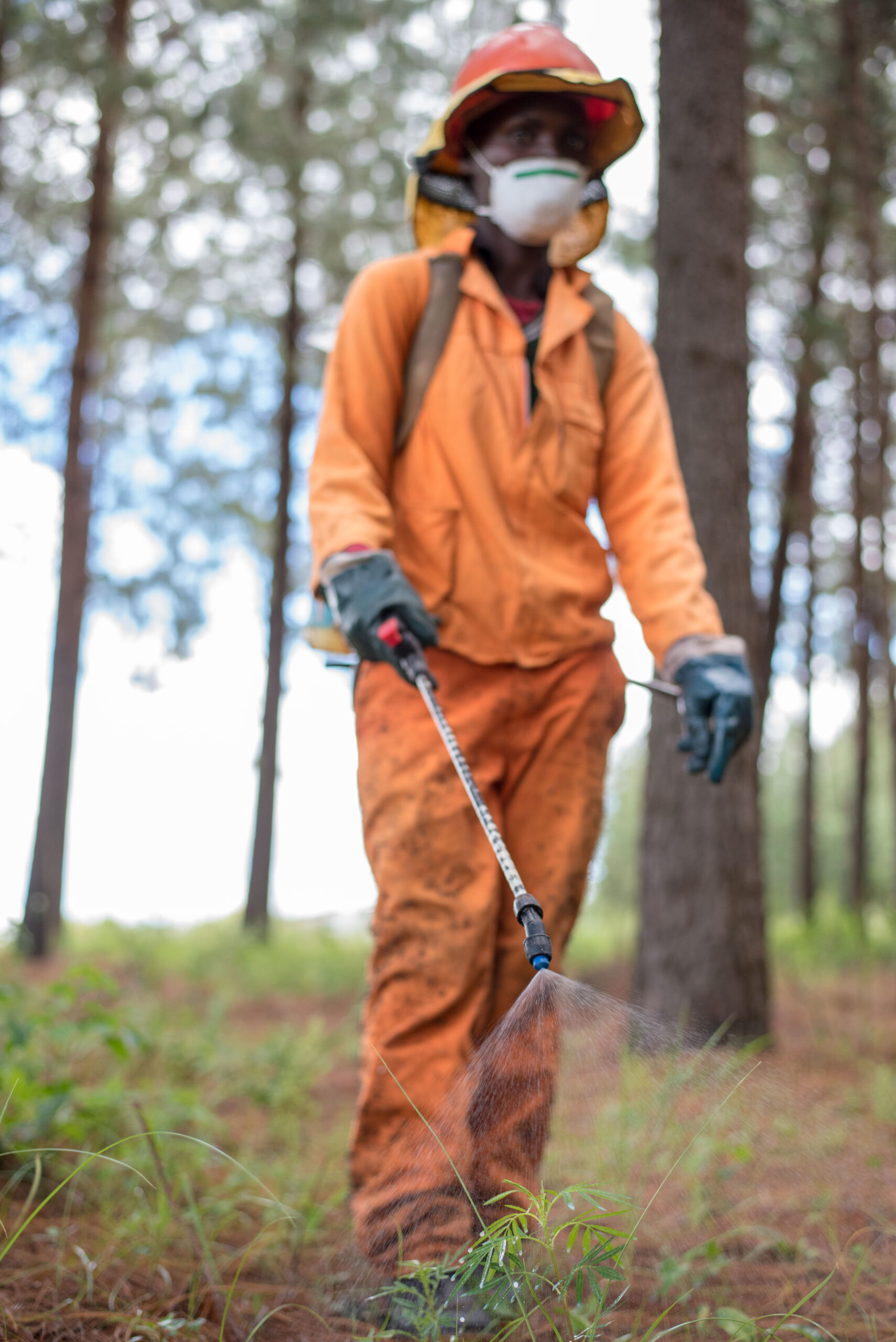
The TIPWG Approved Pesticide List (APL) is designed as a compliance and stewardship tool, rather than simply a list of products.
By helping users identify the products registered for use in a South African forestry context, understand the restrictions and conditions for their use and align product selection with environmental and social risk considerations, the APL supports industry-wide compliance. In particular providing structured information on product registration requirements, certification conditions and internal procurement and application controls.
Environmental & Social Risk Assessments (ESRAs): Proactive risk management
ESRAs are a key component of responsible pesticide stewardship, helping operations identify potential environmental and social risks by assessing site-specific conditions and, if required, implementing appropriate mitigation measures.
The TIPWG ESRA templates provide practical guidance and support, ensuring consistent ESRA development across the Sector and improved audit readiness. In developing the TIPWG ESRA templates, conscious effort has been taken to link them directly to operational decision-making and the practical controls described in SOPs.
Articles and guidance: Ongoing compliance support
TIPWG also publishes articles and guidance documents that help explain regulatory and certification requirements in a forestry context. These resources aim to clarify why certain requirements exist and how they apply within forestry operations, in order to address any common areas of confusion. By providing clear explanations and practical examples, these materials help support ongoing learning and improved interpretation of requirements across the Sector.
A connected system, not isolated tools
TIPWG resources are designed to work together as an integrated system rather than as isolated documents, with articles providing the context and explanation, SOPs supporting the practical implementation and the APL and ESRA informing operational decision-making. This connected approach helps users move from understanding to application and from application to consistent operational practice.
Over time, this supports the development of stronger compliance cultures across the Forestry Sector.
Compliance, stewardship and trust
By supporting correct and responsible pesticide use, TIPWG resources contribute to stronger legal compliance, consistent certification performance and improved confidence amongst industry stakeholders and the wider public.
Ultimately, TIPWG’s role is to help the Forestry Industry correctly navigate pesticide compliance and application, ensuring that as a Sector, we demonstrate stewardship with confidence.